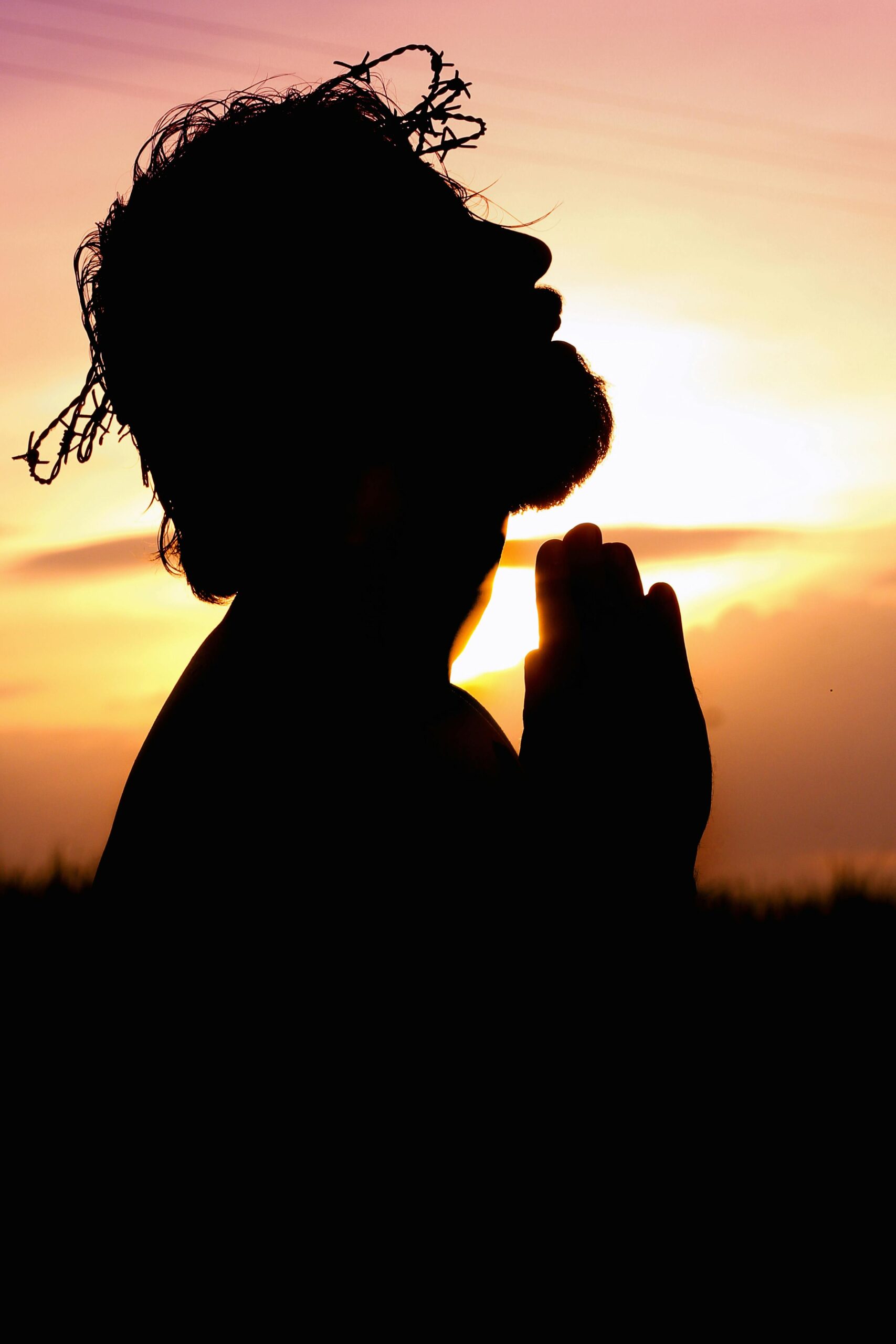
Prayer That Shapes Us: Walking Through the Lord’s Prayer
Prayer That Shapes Us: Walking Through the Lord’s Prayer (Matthew 6:9–13)
Prayer can feel intimidating—or strangely casual—depending on our background, personality, and experiences. Some people freeze up when asked to pray out loud, worried they’ll sound “wrong.” Others approach God with such familiarity that reverence gets lost. But Scripture doesn’t leave us guessing. Jesus lovingly gave His disciples (and us) a template—a heart-posture and pattern we can return to again and again.
That’s why the Lord’s Prayer is such a gift. It doesn’t just teach us what to say. It forms who we are as we pray.
Why prayer matters
Prayer isn’t a peripheral practice in the Christian life. God commands it, invites it, and repeats its importance throughout Scripture. The frequency of prayer throughout the Bible is one of the clearest indicators that God intends for prayer to be normal, constant, and shaping for His people.
At its core, prayer is one of God’s primary means of aligning our hearts with His heart. We were created to glorify Him, and prayer draws us back into that purpose—especially when life is loud, anxious, or self-focused.
And when we don’t know what to say? God still meets us. We can pray Scripture back to Him—His own words, His own will—and be confident we’re praying what delights Him. Even when all we can do is groan or weep, the Holy Spirit intercedes and interprets what we cannot articulate.
The Lord’s Prayer: a template for heart posture
Before Jesus gives the Lord’s Prayer, He says, “Pray then in this way…” (Matthew 6:9). That’s important: this is a pattern, not a magic formula. It’s structure, not superstition. It teaches us how to approach God, how to order our priorities, and how to live in ongoing surrender.
Let’s walk through it line by line.
1) “Our Father who is in heaven, hallowed be Your name”
This opening line is loaded—tender and weighty at the same time.
God invites intimacy: “Our Father”
Through Christ, we are not approaching a distant deity. We are coming to a Father who adopts sinners as sons and daughters. That is not a small thing. In the Old Testament, access to God was limited and mediated—priests, sacrifices, the Holy of Holies, the veil. But Jesus became the final sacrifice, and the tearing of the temple veil signaled that access had been opened for all who belong to Him.
So yes—Father. Near. Personal. Welcoming.
God demands reverence: “Hallowed be Your name”
“Hallowed” means holy—set apart, pure, utterly distinct. This is the corrective to casual prayer. God is not “the man upstairs.” He is not our peer. He does not share the throne.
This line places us where we belong: humbled before the King.
A helpful picture is the “throne of the heart.” Someone sits there at all times. Often, if we’re honest, we do. The Lord’s Prayer begins by putting God back where He belongs—on the throne—before we ask for anything.
2) “Your kingdom come, Your will be done, on earth as it is in heaven”
This is the surrender line.
Prayer is not primarily about getting God to want what we want. Prayer is about yielding our will to His will and asking Him to accomplish His purposes—through us, in us, around us.
This is where entitlement dies.
It’s also where peace is born. Striving for control produces anxiety. Surrender produces the kind of peace that doesn’t make sense on paper—peace that comes from trusting that God is good even when His will is not what we would have chosen.
3) “Give us this day our daily bread”
Only now do we reach our requests—and that order matters.
Notice: there’s no “me” at the beginning. The Lord’s Prayer starts with God: His name, His kingdom, His will. Only after our hearts are rightly oriented do we ask for provision.
“Daily bread” is both practical and deeply spiritual:
- It acknowledges daily dependence—God provides.
- It confronts our craving for control—God gives what we need, when we need it.
- It reminds us not to demand “future grace” today. God supplies grace for today.
And ultimately, it points to Christ Himself: Jesus said, “I am the bread of life” (John 6:35). Even if wants go unmet, the believer’s greatest need is never absent: we have Him.
4) “And forgive us our debts…”
This is daily humility.
Even though believers are justified once for all by faith in Christ, we still wrestle with sin as God sanctifies us. Sin disrupts fellowship, clouds our worship, and hardens our hearts. Confession is God’s gracious pathway back into alignment.
Scripture is clear:
- God is faithful to forgive when we confess (1 John 1:9).
- Concealed sin keeps us from prospering spiritually (Proverbs 28:13).
- Repentance brings “times of refreshing” from the Lord’s presence (Acts 3:19).
Confession isn’t groveling—it’s agreeing with God about what’s true and returning to what’s right.
5) “…as we also have forgiven our debtors”
This may be the hardest line in the entire prayer.
It assumes forgiveness is happening: as we have forgiven…
Forgiveness is not excusing sin. It is not calling evil “okay.” It is releasing our right to vengeance and entrusting justice to God. It’s also often an act of the will before it ever feels like a feeling.
Scripture ties unforgiveness to serious spiritual danger:
- “If you do not forgive others, then your Father will not forgive your transgressions” (Matthew 6:14–15).
- “Judgment will be merciless to one who has shown no mercy” (James 2:13).
- The standard we use on others will be measured back to us (Matthew 7:2).
That’s sobering. But there’s also freedom here: bitterness is a heavy chain around the soul. When we forgive, we’re not just releasing someone else—we’re walking out of prison ourselves.
And God doesn’t leave us without guidance for how to live after forgiving:
“Never take your own revenge… If your enemy is hungry, feed him…” (Romans 12:19–20). Serving and praying for someone is one of the quickest ways to uproot hatred.
6) “And do not lead us into temptation, but deliver us from evil”
This is a prayer for protection and strength.
God does not tempt us to sin. But temptation is real—coming both from the outside (the world, spiritual opposition) and from the inside (our own desires).
This line is a daily plea:
“Lord, I know I will be tempted. Strengthen me. Deliver me. Keep me from choosing evil.”
It’s also a reminder that prayer is not a “magic amulet.” We’re not asking God to do what we refuse to pursue. We pray—and we also take thoughts captive, walk in wisdom, and participate actively in sanctification, trusting God to supply strength as we obey.
7) “For Yours is the kingdom and the power and the glory forever. Amen.”
The prayer ends where it began: with God on the throne.
These are the bookends that keep us from drifting mid-prayer—starting reverent, then sliding into self-focus. We close by remembering: everything belongs to Him. Our lives are for His glory. His kingdom is the point.
What does “pray without ceasing” actually look like?
Praying without ceasing doesn’t mean repeating the Lord’s Prayer nonstop and doing nothing else. It means living in an ongoing posture of communion with God—bringing moments to Him throughout the day:
- praise in joy
- confession in conviction
- help in stress
- surrender in decision-making
- intercession in relationships
- dependence in weakness
Many believers find it powerful to begin the day with the Lord’s Prayer pattern—placing God on the throne first thing—so the day is shaped by worship before it is shaped by worry.
Closing encouragement
Jesus didn’t give this prayer to burden us—He gave it to form us. If you ever feel stuck, distracted, or unsure how to pray, return to this template. Pray it slowly. Let it rebuke entitlement, restore reverence, and revive surrender.
Because prayer doesn’t just change our circumstances. It changes us.
To stay up to date on podcasts, subscribe to The Urgent Truth YouTube channel. If you’re looking for more study materials, you can view available Bible Studies or start with our series, “Back to the Basics.”
Leave a Reply

Contact Us
We welcome your questions, prayers, and requests—including invitations for speaking engagements—as we serve Christ’s body. If you’re seeking clarity or connection, our team is ready to walk with you today.
Reach out with any questions or prayer needs. We’re here to help you seek clarity, grow in truth, and follow Christ with confidence.
Please reach out.
Thank you!
We have received your message. Please allow 1-2 business days for our response. We look forward to chatting with you!


Leave a Comment